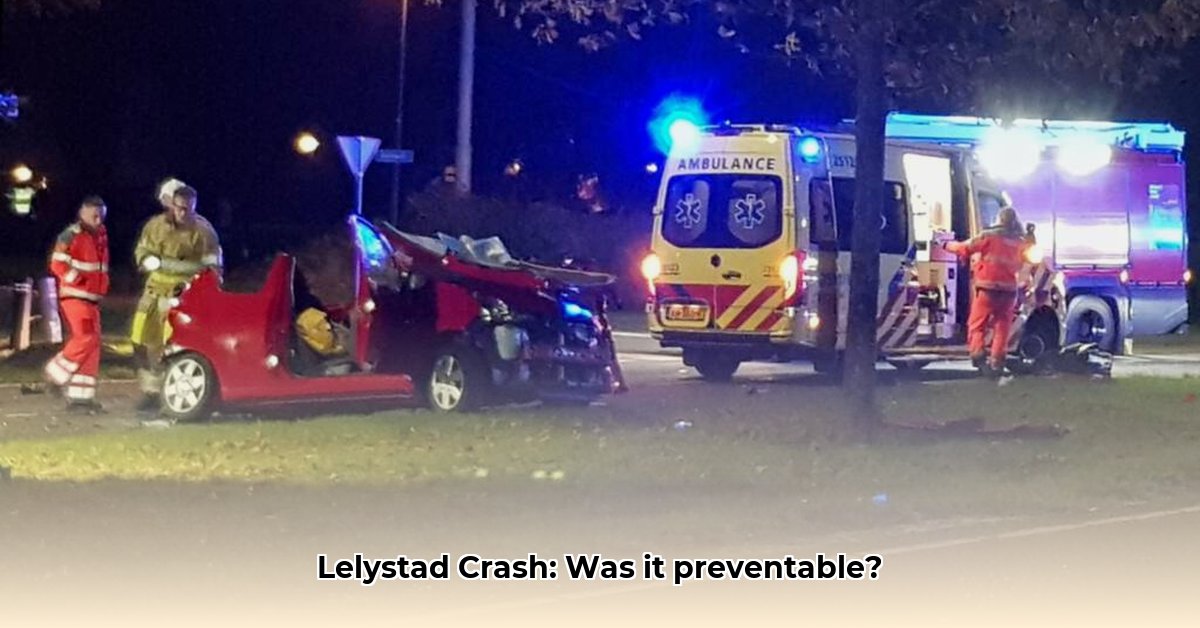
Understanding Lelystad's Emergency Response: A Data-Driven Approach
Emergencies in Lelystad, like anywhere, demand swift and effective responses. This article analyses the current state of emergency response and proposes actionable strategies for improvement, acknowledging existing data limitations. We'll explore how better data collection, analysis, and collaboration can enhance efficiency and build a safer community. The 112 system is a foundation, but we need to build upon it.
Current State of Emergency Response in Lelystad: A Snapshot
Currently, assessing Lelystad’s emergency response system is hampered by a lack of comprehensive data. While the 112 system functions, a detailed analysis of response times, resource allocation, and incident specifics is unavailable. This limits our ability to pinpoint areas needing improvement. This situation highlights the urgent need for consistent, high-quality data collection. Without it, any proposed solutions are speculative at best.
The Missing Pieces: Data Gaps and Their Impact
The absence of granular data prevents a complete understanding of response efficiency. Key information – such as response times for various emergency types, resource utilisation rates, and geographical patterns of incidents – is currently unavailable. This uncertainty hinders effective planning and resource allocation. What are the root causes of these data gaps? Are they technical difficulties, privacy concerns, or a lack of coordination amongst stakeholders? These need addressing through collaborative effort.
Actionable Recommendations: A Phased Approach
The following recommendations are outlined in a phased approach, outlining short-term and long-term goals for key stakeholders:
Phase 1: Data Acquisition and Infrastructure (0-1 year)
- Establish a Comprehensive Data Collection System: Implement a standardised system for recording all emergency incidents, including details such as location, time, type of emergency, response time, and resources deployed. Data must be anonymised to respect individual privacy whilst ensuring actionable intelligence.
- Secure Data Storage and Access: Invest in a secure system for storing and managing the collected data, ensuring restricted access to authorised personnel only. This includes clear protocols on usage, access, and data security.
- Inter-Agency Collaboration: Foster close collaboration between the Lelystad municipality, emergency services (police, fire, ambulance), and other relevant stakeholders to ensure seamless data sharing and reporting. Regular reviews and quality control will be crucial.
Phase 2: Analysis and Improvement (1-3 years)
- Data Analysis and Reporting: Conduct thorough analysis of the collected data to identify trends, bottlenecks, and areas where improvements can be made. Use data visualisation tools such as charts and graphs to present clear findings.
- Targeted Resource Allocation: Based on data analysis, adjust resource allocation to address areas with higher incident rates or longer response times. This could involve strategically positioning emergency vehicles and personnel.
- Performance Monitoring and Evaluation: Establish a mechanism for continuously monitoring and evaluating emergency response performance. Regular reports, both internal and public, will keep transparency at the heart of the process.
Phase 3: Predictive Modelling and Technological Advancements (3-5 years)
- Predictive Modelling: Develop sophisticated predictive models using historical data to anticipate potential emergency incidents and proactively deploy resources, improving response efficacy.
- Technological Upgrades: Explore and implement advanced technologies, such as AI-powered dispatch systems, to further enhance response efficiency and decision-making. This includes regular technology updates and staff training.
- Community Engagement and Education: Launch public awareness campaigns to educate the community on emergency procedures and the importance of accurate reporting.
Expanding the Analysis: Future Directions
To enhance the effectiveness of these recommendations, several further steps are vital:
- Benchmarking: Compare Lelystad's emergency response performance with similar municipalities, nationally and internationally. This benchmarking will identify best practices and enable targeted improvements.
- Qualitative Data Collection: Supplement quantitative data with qualitative feedback from emergency responders, community members, and patients to gain a richer, more nuanced understanding of the system’s strengths and weaknesses.
- Continuous Improvement: Emergency response is a dynamic field. Continuous improvement requires regular reviews, adjustments to strategies, and adaptations to technological advancements.
Conclusion: Building a Safer Lelystad
Improving Lelystad's emergency response system requires a commitment to data-driven decision-making, inter-agency collaboration, and continuous improvement. By implementing the recommendations outlined above, Lelystad can enhance response times, optimise resource allocation, and ultimately create a safer and more secure community for all residents. The journey towards a more efficient and effective emergency response system begins with a commitment to transparency and collaborative effort.